

Your sewer line works every day without asking for much. The problem is, when it finally needs attention, it usually doesn't whisper. It gets your attention fast.
Most homeowners rarely think about their sewer line.
It's buried underground, out of sight, quietly carrying wastewater away from the house day after day.
Like your roof, water heater, or HVAC system, a sewer line won't last forever.
Knowing the typical lifespan of a sewer line, understanding what affects it, and recognizing the warning signs of failure can help you avoid unexpected backups and costly repairs.
How Long Does a Sewer Line Last?
The answer depends on several factors, including the type of pipe, the age of your home, soil conditions, and how well the system has been maintained.
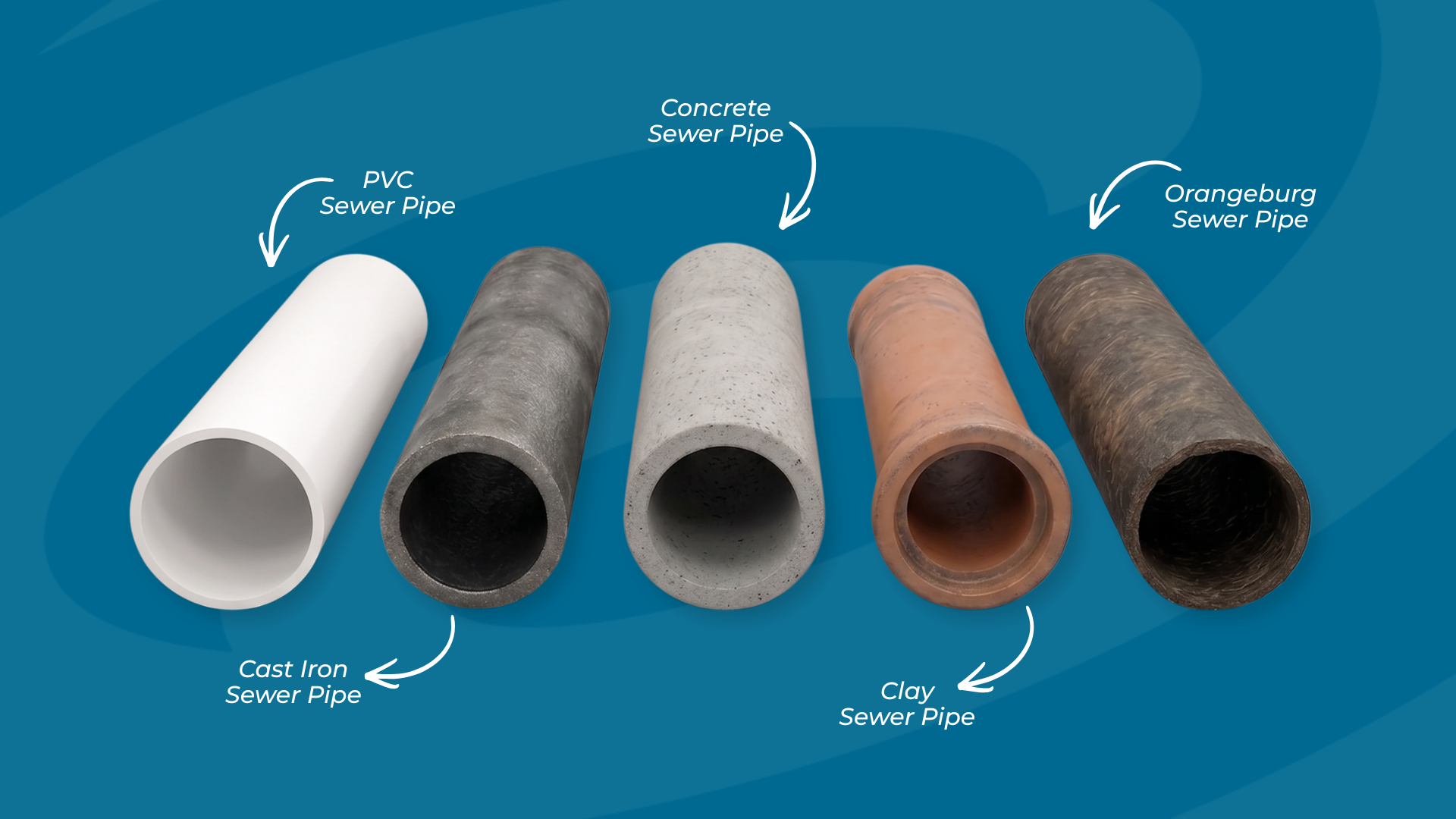
Here are the average lifespans of the most common sewer pipe materials:
- PVC sewer pipe: 75 to 100+ years
- Cast iron sewer pipe: 50 to 100 years
- Clay sewer pipe: 50 to 100 years
- Concrete sewer pipe: 50 to 75 years
- Orangeburg sewer pipe: 30 to 50 years
If your home was built several decades ago, there's a good chance it contains older piping that's more susceptible to cracking, corrosion, or tree root intrusion than modern PVC.
Age alone doesn't mean your sewer line is failing.
It simply means it's worth paying closer attention to the warning signs.
What Can Shorten the Life of a Sewer Line?
Even newer sewer lines can develop problems under the right conditions.
Over time, everyday wear and environmental factors can shorten the life of underground pipes.
Some of the most common causes include:
- Tree roots growing into joints or small cracks
- Corrosion inside older cast iron pipes
- Ground movement or settling
- Grease and debris buildup
- Flushing wipes, paper towels, or other non-flushable items
- Heavy vehicles driving over buried sewer lines
- Poor installation or aging repairs
Most sewer line problems don't happen overnight.
They develop slowly, which is why early detection is so valuable.
Signs Your Sewer Line May Be Failing
Your sewer line often gives you clues before a complete backup happens.
Watch for these common warning signs:
- Frequent drain clogs
- Recurring toilet backups
- Multiple slow drains throughout the home
- Gurgling toilets or drains
- Sewage odors inside or outside your home
- Water backing up into tubs or showers
- Wet or unusually green patches in the yard
- Sinkholes or soft spots in your landscaping
One clogged drain may be nothing more than a simple blockage.
Several of these symptoms happening together usually point to a larger sewer line issue.
Can You Make a Sewer Line Last Longer?
You can't stop a sewer line from aging, but you can help it last as long as possible.
A few simple habits can go a long way.
Only flush what belongs. Toilet paper and human waste. That's the list. Even products labeled "flushable" can contribute to clogs and sewer line problems over time.
Keep grease out of the drain. Grease may go down as a liquid, but it cools and hardens inside your pipes. Over time, it collects debris and restricts wastewater flow.
Skip chemical drain cleaners. Chemical drain cleaners rarely solve the underlying problem. In some cases, they can even damage older pipes while making future repairs more difficult.
Don't ignore recurring drain problems. If the same drain keeps clogging, there's usually a reason. Addressing the cause early is almost always easier and less expensive than dealing with a sewer backup later.
Consider a sewer camera inspection. A sewer camera inspection gives you a clear picture of what's happening inside your sewer line.
It's especially valuable if:
- You're buying an older home
- You've experienced recurring clogs
- Multiple drains are backing up
- You're noticing sewer odors
- You're planning major renovations
Knowing what's happening underground takes the guesswork out of deciding what to do next.
Does a Sewer Line Always Need to Be Replaced?
Not at all. A damaged sewer line doesn't automatically mean a full replacement.
Depending on what's causing the problem, the solution may involve:
- Professional drain cleaning
- Hydro jetting
- A localized sewer line repair
- Partial pipe replacement
- Full sewer line replacement when necessary
The right solution starts with an accurate diagnosis.
That's why identifying the cause of the problem is just as important as fixing it.
Frequently Asked Questions
How long does a residential sewer line last?
Most residential sewer lines last between 50 and 100 years, depending on the pipe material, soil conditions, maintenance, and environmental factors. PVC pipes often last the longest, while older materials may require attention sooner.
What is the average lifespan of a cast iron sewer pipe?
Cast iron sewer pipes typically last 50 to 100 years. As they age, they become more susceptible to corrosion and scale buildup.
How do I know if my sewer line needs to be replaced?
Recurring backups, multiple slow drains, sewer odors, wet areas in the yard, or a sewer camera inspection showing significant damage may indicate replacement is the best long-term solution.
Can tree roots damage a sewer line?
Yes. Tree roots naturally seek moisture and can enter even small cracks or pipe joints. Over time, they can restrict flow, cause recurring clogs, and damage the pipe.
Is a sewer camera inspection worth it?
Absolutely. A sewer camera inspection can identify hidden problems before they become emergencies, helping homeowners make informed repair decisions while avoiding unnecessary guesswork.
A Little Attention Today Can Avoid a Bigger Problem Tomorrow
Your sewer line isn't something you think about every day.
That's a good thing.
But if your drains are slowing down, toilets keep clogging, or you're noticing other warning signs, it's worth taking a closer look before a small issue becomes a major repair.
Whether your home is five years old or fifty, understanding the condition of your sewer line can help you avoid unexpected surprises and keep your plumbing working the way it should.
Get Your Life Flowing Today®